


Crowns and Bridges, Veneers and Whitening
Custom Smile Restorations

We customise all of our dental restorations, including crowns, bridges, inlays, onlays and more. We invite you to call us for more information about restoring your smile.

Crowns and Bridges, Veneers and Whitening | Dentist
Restorations Designed for You
Contact Us

Crowns and Bridges

Restorative Options for a Healthy, Natural-Looking Smile

At Newcastle Specialist Prosthodontics, the focus of every treatment is restoring health, comfort and long-term function. While aesthetics naturally improve as part of high-quality restorative care, our prosthodontist does not provide elective or destructive treatments that compromise healthy tooth structure solely for cosmetic reasons.

Restoring your smile means restoring the way your teeth work—and ensuring the final result looks natural, balanced and harmonious with your face. Every patient receives a personalised treatment plan designed to enhance appearance through sound clinical treatment.

Crowns, Onlays and Bridges

Restoring strength, structure and harmony

Crowns, onlays and bridges are key restorative treatments used to rebuild teeth, protect weakened structures and replace missing teeth. While they may look similar in purpose, each serves a slightly different role depending on how much of the natural tooth remains and what is needed for long-term function.

Crowns

A crown covers the entire visible surface of a tooth, providing full protection and strength. Crowns are recommended when:

  • A tooth is heavily damaged or fractured.
  • There is extensive decay or large old restorations.
  • A tooth has undergone root canal treatment.
  • Significant structural reinforcement is needed.

Crowns restore durability, prevent further breakdown and allow the tooth to function comfortably under everyday biting forces.

Onlays (and Inlays)

Onlays and inlays are more conservative forms of restoration that rebuild only the damaged portion of a tooth while preserving as much healthy structure as possible. They are used when:

  • A tooth needs stronger support than a filling can provide.
  • Part of the chewing surface is damaged or worn.
  • The remaining tooth structure is still strong enough for a partial coverage restoration.

Onlays cover one or more cusps of the tooth, while inlays sit inside the tooth’s biting surface — both offering strength without removing unnecessary structure.

Bridges

A dental bridge replaces one or more missing teeth by anchoring to the teeth or implants on either side of the gap. Bridges may be recommended when:

  • A patient is missing a tooth and prefers a fixed (non-removable) option.
  • Implants are not suitable or preferred.
  • Adjacent teeth require crowns as part of the restoration plan.

A bridge restores chewing function, prevents teeth from shifting and creates a natural-looking result that integrates smoothly with the rest of the smile.

Benefits of Dental Restorations

Dental restorations have numerous benefits, from repairing broken teeth to replacing missing teeth and strengthening vulnerable teeth. Here are some of the benefits our patients appreciate about our custom-made dental crowns and bridges.

Restores Strength and Function

Crowns and bridges help reinforce weakened teeth or replace missing ones, allowing you to chew and speak with more ease. They can restore the durability and natural function of one's bite.

Long-Lasting, Reliable Results

Our custom-made dental crowns, dental bridges, inlays and onlays are made to help ensure stability and reliability. With proper oral hygiene and care, these restorations may last for years.

Customised, Natural-Looking Results

We craft each restoration to match patients' existing teeth in shape, size and colour. This ensures the final crown or bridge integrates seamlessly into one's smile for a balanced, natural result.

Frequently Asked Questions

A crown covers the entire tooth and is used when significant strength and protection are needed.
An onlay or inlay covers only the damaged portion of a tooth, preserving more natural enamel.
A veneer is a thin restoration placed on the front surface of a tooth for conservative reshaping and reinforcement when appropriate.
Your prosthodontist will recommend the least invasive option that provides the right level of strength and longevity.


A crown is recommended when a tooth is too damaged or weakened to be reliably restored with a filling. This may be due to large fractures, extensive decay, heavy wear or after root canal treatment. Crowns help protect the remaining tooth structure and restore proper function.


Yes. Whitening is often recommended before new restorations are made, so your crown or veneer can be matched to your preferred lighter shade. Whitening does not affect the colour of existing restorations, so it must be completed first. Your prosthodontist will discuss timing to ensure the best result.


Yes. Shade, shape and translucency are carefully selected to blend with your natural teeth. As a prosthodontic practice, achieving a balanced, natural appearance is part of our restorative process — without compromising the health of your teeth.


Most crowns and veneers last 10–15 years or more with proper care, though longevity varies with hygiene habits, bite forces and general oral health. Regular check-ups and nightguard use (if you clench or grind) can help protect your restorations over time.


Veneers (Porcelain or Composite)

Conservative reshaping when functional or structural concerns exist.

Veneers may be recommended when a tooth:

  • Has structural damage.
  • Is worn or misshapen.
  • Requires reinforcement of remaining enamel.

Needs to be restored for functional reasons with an opportunity to improve appearance at the same time.

Unlike “cosmetic veneers” marketed elsewhere, veneers provided as part of prosthodontic care are grounded in function, preservation of tooth structure and long-term stability. Healthy enamel is never removed unnecessarily. 

Veneers can be incorporated into restorative plans that also include crowns, bridges or onlays/inlays where appropriate.

Whitening (Bleaching)

Conservative enhancement before restorative treatment

Whitening is a safe and minimally invasive way to brighten natural teeth when appropriate. It is often recommended before restorative work such as crowns, veneers, bridges or implant crowns to allow restorations to be matched to a lighter, more uniform shade.

Whitening may be suitable if you:

  • Are preparing for new crowns or veneers.
  • Have staining or darkening of natural enamel.
  • Want a conservative improvement without altering tooth structure.

Your prosthodontist will assess whether whitening is appropriate for your teeth and will guide you toward an evidence-based, monitored treatment approach.

Meet Our Dentist:

Dr Matthew Ma
Prosthodontist

Dr Matthew Ma has been supporting the oral health of defence members, and the local community and surrounding regions for more than three decades through carefully planned, evidence-based prosthodontic care. He enjoys working with patients who require complex restorative treatment and values a thoughtful, considered approach to achieving comfortable, long-term outcomes.

After beginning his career as a Dental Officer in the Royal Australian Air Force, Dr Ma established his specialist practice in 2000, becoming the first prosthodontist to serve the local community and working closely with referring dentists from across the ...

Ready to Restore Function and Confidence?

Every mouth is unique, and so is every treatment plan. If you’re considering crowns, bridges, veneers or whitening, a consultation with our prosthodontist will help you understand the safest, most effective options for your situation. 

Together, we’ll create a plan that protects your oral health and delivers a natural-looking, functional outcome. 


Crowns and Bridges, Veneers and Whitening Technology

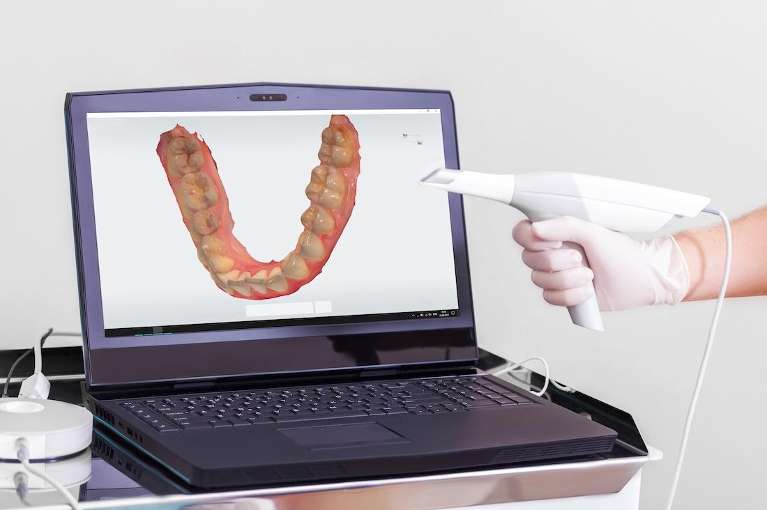
Digital Impressions

We use a digital scanner to capture precise 3-D images of your teeth and bite, replacing the need for conventional impression materials in many situations. Digital impressions offer:

  • Enhanced comfort—no impression trays or setting materials.
  • Improved accuracy for crowns, bridges, implant restorations and splints.
  • Faster communication with dental laboratories.
  • Better visualisation during treatment planning.

When We Use Traditional Impressions

Although digital scanning is suitable for most restorative procedures, some diagnostic records still require traditional impressions. These are used to create study models, which we pour in our on-site laboratory. Physical models allow our prosthodontist to examine your bite, function and tooth structure from all angles when planning complex treatment or full-mouth rehabilitation.

Traditional impressions are typically reserved for situations where they provide important diagnostic information—ensuring your treatment is planned with the highest level of accuracy and care.


Do You Have Damaged or Missing Teeth?
Contact Us